Independent stays that feel like home in Bloemfontein
Self-catering cottages, holiday houses with kitchens and serviced apartments in Bloemfontein offer a level of autonomy that appeals to travellers who prefer crafting their own routines rather than following restaurant schedules. Across leafy suburbs and nearer the city centre, available properties range from compact ground-floor cottages to multi-bedroom houses with separate living areas. Typical layouts include open-plan kitchen-living spaces that function as the social hub, one- or two-bedroom configurations ideal for couples and small families, and larger townhouses or duplexes suitable for groups. Serviced apartments—often listed for short stays—tend to combine a compact kitchen area with practical storage and efficient layouts aimed at business travellers or visitors seeking a low-maintenance base for a few nights. For longer stays, holiday houses with fuller kitchens and pantry space provide the flexibility to buy and store groceries, prepare meals for picky eaters, and spread out luggage and work materials.
Choosing the right property type depends on trip goals. Families often prioritise extra bedrooms, safety-conscious layouts and proximity to parks or family-friendly attractions; couples may prefer smaller, characterful cottages that offer privacy and a cosy atmosphere; business or student travellers usually look for flats near the CBD or Universitas with reliable Wi-Fi and easy transport links. Neighborhoods such as Universitas and surrounding university suburbs provide convenient options for students and academics who need semester-long or term-based arrangements, while properties near the CBD suit short business trips where quick access to offices, eateries and transport is important. Inspect listing details for kitchen appliance types, refrigerator size and pantry capacity, since these features determine whether a space serves a weekend break, a week-long work trip or an extended relocation period.
Family-friendly units and practical features for kids
Self-catering units aimed at families in Bloemfontein commonly emphasise spacious living areas, flexible sleeping arrangements and safety-minded touches. Properties marketed as family-friendly typically list availability of items such as cots and highchairs, offer adaptable bedding configurations (e.g., twin beds that convert to doubles) and show clear room descriptions so parents can assess whether toddlers will have adequate floor space for play. Kitchens in family properties often include cooking basics and child-safe appliances; listings that clearly describe countertop heights, stove controls and the presence of safety locks help parents make informed choices. Outdoor areas that are enclosed, covered patios and small private gardens become invaluable when travelling with kids, offering a contained spot for supervised play and family meals without the need to leave the accommodation.
Location plays a central role for families: properties close to parks, playgrounds and easy grocery runs reduce friction on busy days. Neighborhood quiet hours and residential traffic patterns are worth checking to avoid noisy streets at night or early-morning disturbances. Proximity to pediatric clinics, pharmacies and family-friendly eateries adds peace of mind. When booking, parents should look for explicit policies about extra guests and age-based charges, as well as clear guidance on crash pads, stair gates or other child-safety equipment; some hosts list these amenities explicitly while others indicate they can be arranged on request. Reading recent guest reviews that mention stays with children provides practical insights on whether the space lives up to the family-friendly claims and whether small conveniences—like available baby bath or children’s dinnerware—are reliably supplied.
Romantic escapes and couple-oriented self-catering choices
Couples seeking a quiet retreat often find that smaller, self-contained cottages and apartments deliver the right blend of privacy and local flavour. Many romantic-oriented listings highlight private outdoor dining areas, secluded gardens or intimate courtyards where a simple meal can feel like an occasion; even a modest balcony with a coffee table and chairs can transform breakfast into a relaxed moment. Interiors in these properties tend to focus on cosy layouts—open-plan studios or one-bedroom cottages with a comfortable sitting area and a kitchen designed for intimate cooking sessions. Lighting, soft furnishing descriptions and mentions of private entrances or discrete check-in options provide clues to how suited a property is for a couple prioritising privacy and atmosphere.
Location choices for romantic stays often tilt toward quieter residential pockets that still offer easy access to evening restaurants, cultural spots and leisurely daytime activities. Being a short drive or ride from attractions such as the Oliewenhuis Art Museum or charming café-lined streets allows couples to balance solitude at their rental with curated outings. Hosts that outline flexible arrival times, clear key-collection procedures and house rules that respect privacy are particularly attractive to couples who appreciate low-interaction check-ins. Reviews that mention intimate touches—a well-equipped kitchenette for late-night snacks, a small outdoor table for two, or an uncluttered bedroom—help prospective guests assess whether a stay will support a relaxed, romantic rhythm rather than a strictly utilitarian stay.
Long-stay rentals and budget-savvy options for extended visitors
Long-stay self-catering rentals in Bloemfontein cater to travellers who need to stretch budgets or settle in for weeks or months, including academics, contractors and families in transition. Listings aimed at extended stays often highlight features that matter over time: larger refrigerator and pantry capacity, adequate storage for clothing and personal items, a functional laundry setup—either in-unit or easy access to communal facilities—and a kitchen equipped for regular cooking rather than occasional meals. Monthly or weekly pricing models available on Agoda can make longer residencies more economical than short nightly rates, and properties designed for extended occupancy frequently offer clearer cancellation and payment terms that suit travellers planning around semesters or contract dates.
Budget-savvy choices balance cost with practical amenities. Lower-priced long-stay flats or houses may have simpler furnishings but still provide the essentials: reliable Wi-Fi for remote work, a comfortable bed, and basic cookware for daily meals. Comparing listings for utility responsibilities is important; some hosts include utilities in the quoted rate while others charge them separately—clarifying this before booking avoids surprise expenses. Storage solutions, such as wardrobes or lockable cupboards, become more significant for extended visitors who need to organise possessions. Reading guest feedback on appliance reliability and responsiveness to maintenance requests offers insight into whether a long-stay property will function smoothly for a prolonged period.
Student and business traveler flats near Universitas and CBD
Flats clustered around Universitas and the Bloemfontein CBD cater well to students, visiting academics, and short-stay business travellers who prioritise location and functionality. Many listings emphasise compact but efficient layouts: a defined sleeping nook or bedroom, a kitchenette or small fitted kitchen, and a dedicated workspace such as a desk or table. For students attending the University of the Free State, proximity to campus cuts commute time and makes term-based living simpler; furnished units near lecture halls and campus shuttle routes often advertise semester-friendly arrangements and longer availability. Business visitors find apartments near the CBD and government precincts attractive because they reduce travel time to meetings, law courts and corporate offices while still offering the autonomy of self-catering. When selecting a flat, important practical details include measured Wi‑Fi speed or host-supplied broadband figures, the presence of a quiet corner suitable for remote calls, and information about power stability—useful for scheduling online seminars or tight-deadline work.
Transport links and everyday conveniences are vital for these traveller types. Flats within walking distance of bus stops, minibus taxi ranks or ride-hailing pick-up points improve mobility without relying on private cars, while nearby convenience stores and small supermarkets support quick grocery runs between classes or meetings. Listings that explicitly note travel times to the UFS campus, major office blocks or the main train/taxi corridors help prospective guests plan their daily rhythm. Safety features such as well-lit approaches to apartment blocks, secure entry systems and neighbourhood reputation often appear in descriptions aimed at students and business guests; confirming these details in listing photos or recent reviews provides reassurance. Short-term serviced-style apartments and self-catering flats overlap in this market: the former may emphasise turn-up-and-go convenience for nights away, while the latter suits those needing to cook, host study sessions, or stash textbooks and equipment for weeks or months.
Pet-friendly stays and guidance for traveling with animals
Pet-friendly self-catering properties in Bloemfontein offer a welcome option for travellers who prefer not to leave pets behind. Listings that accept animals vary widely—from small ground-floor units with easy outdoor access to houses with private gardens—so reading each property’s policy is essential. Typical pet policies cover size and breed restrictions, additional cleaning or security deposits, and whether pets may be left unattended. Hosts sometimes include practical notes about nearby green spaces and walking routes, making it easier to plan routine exercise and bathroom breaks. For longer stays, properties with enclosed outdoor areas provide safer, more contained environments for pets to move and play without constant supervision, which many owners find priceless when balancing work or sightseeing schedules.
Practical preparation ensures a smooth experience for both owners and pets. Pack familiar items—beds, favourite toys, collapsible bowls and a leash—so the first few days feel less disorienting. Check listings for references to veterinary clinics, grooming services or 24-hour emergency animal hospitals nearby; Universitas-adjacent suburbs and central Bloemfontein host several veterinary practices accessible by car or ride-hail. Cleaning expectations should be clear before arrival: some hosts require specific waste disposal procedures or restrict access to certain rooms; others ask that pets remain off furniture or be crated if left alone. Booking through Agoda allows filter-based searching for pet-friendly listings and often surfaces recent reviews from other pet owners, which are a reliable source of on-the-ground details such as how responsive a host is to pet-related issues and whether neighbourhood dogs or other local animals present challenges for sensitive pets.
Kitchen essentials and appliance standards to expect
Expect a range of kitchen setups across Bloemfontein self-catering properties, from well-appointed holiday houses with full cooking suites to compact flats featuring slimline appliances. Common staples include a stovetop—either electric or gas—microwave, kettle and refrigerator; many units provide basic cookware such as a frying pan, saucepan set, a modest cutlery collection and a few essential utensils like spatulas and a can opener. For travellers who enjoy producing home-cooked meals, listings that detail oven size, hob type and refrigerator capacity are especially helpful: a larger fridge and pantry space supports weekly grocery shopping, while a compact kitchenette is generally suitable for simple breakfasts and light dinners. Hosts sometimes leave small starter supplies—tea, coffee, sugar and a few condiments—though this varies, so checking itemised inventories on the listing avoids unpleasant surprises on arrival.
Dietary needs and special cooking requirements deserve extra attention. Guests with strict food preferences, such as vegetarian, vegan or Halal diets, should verify whether any cross-contamination concerns exist and whether cookware is exclusively available for their use. Inquiries about appliance age and maintenance can preempt issues; for instance, confirming that the microwave heats evenly or that the oven reaches set temperatures helps plan precise meals or baking projects. For extended stays, listing notes on additional amenities—rice cooker, slow cooker, blender or extra saucepans—can influence booking decisions. When shopping for supplies, local supermarkets and specialty shops carry region-specific ingredients and staples; pairing a well-resourced kitchen with nearby grocery access enables visitors to experiment with seasonal produce and recreate favourite dishes while staying on budget.
Laundry setups and mid-stay cleaning options
Laundry arrangements in Bloemfontein self-catering rentals range from in-unit washers and dryers to access to shared facilities in apartment complexes or nearby launderettes. In-unit machines are a convenience for longer stays and families, enabling flexible washes between activities; listings that state machine type (front-loader vs top-loader), detergent availability and whether dryers are included make planning easier—especially for travellers packing light. Where communal laundry rooms exist, pay attention to access rules, hours of operation and any token or card payment systems. For guests without on-site options, local laundromats and wash-and-fold services are widely available in central neighbourhoods; many offer same-day turnaround or pick-up/drop-off services for an additional fee, which suits busy professionals or visiting academics who prefer to outsource this chore.
Mid-stay cleaning varies depending on the property and the length of booking. Some hosts provide optional housekeeping packages for a fee—typically involving a basic clean and linen refresh—while others expect guests to manage daily tidying and end-of-stay cleaning. Confirming cleaning schedules, supplied cleaning products, and whether extra linen or towels can be arranged mid-stay helps set expectations. For longer residencies, services such as scheduled deep cleans, ironing or appliance maintenance can be booked locally; guest reviews and host communication often reveal the reliability and price of these options. When staying in shared buildings, recycling and waste-drop procedures can be tied to cleaning norms, so clarifying where to leave laundry or cleaning supplies and how to handle large-item disposal avoids misunderstandings and keeps relations with hosts smooth.
Home office ready rentals and staying connected
Reliable connectivity is a top priority for remote workers and business travellers, and many Bloemfontein self-catering listings explicitly market themselves as home-office friendly. Descriptions often highlight dedicated desks or work nooks, comfortable chairs, and advertised Wi‑Fi speeds or fibre availability. Practical verification steps include asking hosts for recent speed test results during booking, inquiring about router location relative to the unit’s workspace, and checking whether ethernet ports are present for mission-critical, latency-sensitive tasks. Backup power considerations—such as stabilisers or emergency power supplies—may matter for those who run essential meetings or deadlines during regional load-shedding periods; listings do not always note these details, so a pre-arrival question to the host can prevent interruption-related headaches.
Neighbourhood signal strength and noise levels also influence productivity. Flats in quieter residential enclaves typically provide better conditions for concentrated work than units fronting busy streets or sport venues. Confirming house rules about quiet hours and the typical rhythm of surrounding streets (commuters, nearby schools, weekend markets) helps set expectations for call scheduling. For travellers requiring physical office equipment, some hosts may offer printers or scanners, while local business centres and copy shops provide one-off services. Finally, combining a dependable internet connection with comfortable ergonomic arrangements—an adjustable chair and a proper table height—transforms a short-term apartment into a functional remote office for longer projects or blended work-and-leisure trips.
Outdoor dining, braai areas and garden living
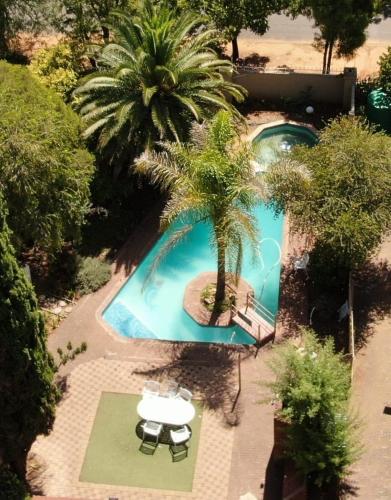
Outdoor spaces are a defining feature for many self-catering properties in Bloemfontein, offering al fresco dining, easy access to sunshine and a relaxed setting for social meals. Private gardens, patios and balconies extend usable living space and are especially useful for gatherings or family dinners. Many hosts describe outdoor dining setups—tables, chairs and simple shade structures—allowing guests to plan meals that take advantage of mild Free State evenings. For travellers wanting a local flavour, small garden plots also offer opportunities to sample homegrown herbs and seasonal produce, and a sunlit courtyard can be perfect for breakfast with a newspaper or a laid-back braai at dusk.
Charcoal braai (grill) areas appear in a number of self-catering listings and are a popular South African tradition for social cooking. Before lighting up, it’s important to confirm house rules and local regulations: some properties restrict open flames or require host supervision, while others provide clear safety instructions and dedicated, maintained braai stands. Sourcing fuel is typically straightforward—local hardware stores, supermarkets and informal vendors sell charcoal and firelighters. Responsible use includes following guidance on safe disposal of ash and respecting neighbours with smoke-sensitive conditions. For guests wanting to host a small gathering, planning menus that suit outdoor equipment—skewers, grills and simple sides—keeps preparation manageable and highlights how outdoor areas multiply the living options of a self-catering stay.
Local supermarkets, specialty shops and halal vegetarian options
Access to well-stocked supermarkets and specialty shops shapes the culinary experience of self-caterers in Bloemfontein. Larger grocery chains in and around the CBD and major suburbs supply everyday needs—meat, dairy, baked goods and staples—while specialty stores and smaller ethnic grocers provide hard-to-find ingredients for diverse diets. Halal and vegetarian options are increasingly visible: local precincts host butchers and shops that cater to Muslim dietary laws, alongside vegetarian-focused delis and health-food outlets that stock plant-based alternatives, gluten-free products and imported specialty items. Being close to these retail options simplifies meal planning for visitors with specific dietary requirements and reduces reliance on dining out or pre-packaged meals.
For travellers planning longer stays, exploring neighbourhood markets and specialty stores becomes rewarding both for cost savings and culinary discovery. Small bakeries supply fresh rolls and regional breads suitable for picnic lunches, while spice shops and bulk stores allow stocking up on seasonings that make home cooking feel more authentic. When booking, noting listing proximity to supermarkets or asking hosts for their top nearby shops can shave hours off grocery runs. In addition, many hosts who are attuned to guest needs will offer local tips—where to find Halal-certified cuts, which stores carry ethnic sauces, or where seasonal produce is freshest—helping guests quickly establish a weekly shopping routine that supports varied, satisfying home-cooked meals.
Farmers markets, seasonal produce and markets for self-caterers
Bloemfontein’s markets are a useful resource for anyone staying in a self-catering property and keen to cook with fresh, local ingredients. Weekend farmers markets and smaller weekday stalls showcase seasonal fruit and vegetables, artisan breads, cheeses and preserves—perfect for building picnic boxes or planning a week of home-cooked meals. Markets tend to reflect the Free State growing cycles: expect stone fruit and tomatoes in the warmer months, hearty root vegetables and winter greens as temperatures drop, and citrus appearing in transitional seasons. Shopping at markets often delivers better value than supermarket specialty aisles and gives a chance to meet local producers who can point to which produce stores well or advise on storage and simple recipes that suit rental kitchens.
Timing and transport make market visits straightforward from most self-catering neighbourhoods. Early arrival rewards shoppers with wider selection and fresher picks; later in the day often brings discounts as stallholders clear stock. For those without private transport, many markets are accessible by short taxi or ride-hail trips from central suburbs and Universitas; larger markets sometimes have informal parking and nearby grocery outlets for last-minute items. For longer stays, establishing a weekly market routine—buying staples like eggs, seasonal fruit, and fresh bread—reduces reliance on single-use packaging and supports sustainable meal planning. Bringing reusable bags and marked containers for bulk purchases helps when working with smaller kitchens and limited pantry space in rental units.
Takeaway, delivery services and meal pairing for self-caterers
Takeaway and delivery services complement self-catering stays, offering convenient meals for busy arrival days or evenings when unwinding takes priority over cooking. Bloemfontein’s food scene includes family-run takeaways, pizza and braai-style outlets, Indian and African eateries, and restaurants that provide delivery to residential suburbs. When ordering for a self-catering unit, consider dishes that travel and reheat well—stews, roasted vegetables, grilled meats and rice-based dishes keep texture and flavour after a short trip. Packaging that separates sauces from mains prevents sogginess, and choosing containers that stack neatly inside a rental fridge makes leftovers easier to store for the next day.
For group stays, coordinating orders into a few larger portions is both economical and practical: shared platters, mixed grills or communal curries suit social dining on a balcony or garden patio. Many delivery services list estimated travel times; factor in meal preparation time and the typical traffic patterns of the neighbourhood to avoid cold dinners. For families, smaller portions or child-friendly sides can be requested from some outlets. A quick test on arrival—asking the host for a recommended local takeaway or consulting recent guest reviews—often yields reliable options that deliver to the property and understand the constraints of apartment or residential access.
Waste disposal, recycling and eco-friendly practices
Understanding waste disposal and recycling procedures helps avoid awkward conversations with hosts and keeps stays eco-friendly. Self-catering properties often sit within municipal waste collection routes or private estate systems; many listings describe where to place general rubbish, recycling bins and organic waste. Recycling infrastructure varies by neighbourhood—some areas have curbside recycling or communal drop-off points, while others rely on designated municipal sites. Guests staying longer should clarify bin collection days and any sorting expectations; simple habits like rinsing containers, flattening cardboard and separating food waste reduce smells and keep compact rental kitchens pleasant.
Beyond waste sorting, small habits have a big impact. Using reusable produce bags and refillable water bottles reduces single-use plastic, while purchasing loose produce at markets cuts unnecessary packaging. Water-saving measures—shorter showers and reusing kitchen water for plants—matter during dryer months when municipal conservation measures may be in effect. Energy-conscious guests can prefer induction or efficient stovetop cooking where available, and choosing to run laundry on cooler cycles helps conserve electricity. Hosts who promote composting or have on-site recycling typically include guidance in listings; following these practices keeps neighbourhood relations positive and aligns longer stays with low-impact travel values.
Accessibility features and mobility considerations
Accessible self-catering units in Bloemfontein cater to travellers with mobility needs, offering practical adaptations such as step-free entrances, wider doorways, grab rails in bathrooms and ground-floor living areas that remove reliance on stairs. Listings that explicitly reference accessible features often include photographs of bathroom layouts, step-free thresholds and ramped access—details that matter when planning arrival logistics and vehicle drop-off. For wheelchair users or those needing mobility aids, enquiries should confirm turning radii inside kitchens, the height of countertops, and whether outdoor areas have level paving; even modest adaptations can decide whether a property is genuinely usable or merely labelled accessible in name.
Transport and local infrastructure also inform mobility planning. Properties near major roads or main bus routes can make getting around easier when taxis or ride-hail vehicles are required; arranging for pick-up points with clear curbside access avoids narrow street or high-step approaches. Medical services and pharmacies close to the rental are another factor—having a clinic within a short drive adds peace of mind for longer stays. When listings lack explicit accessibility notes, asking hosts for recent guest experiences or requesting a short video of entry routes and bathroom spaces helps verify suitability. Early communication about assistive equipment storage, temporary ramps or additional handrails can often be solved in advance, making self-catering stays practical for travellers with varied mobility needs.
Safety, security and neighborhood peace of mind
Safety and neighbourhood atmosphere are key when selecting a self-catering property in Bloemfontein. Many listings reference secure access measures at the property entrance and well-lit approaches, which reflect local practices to promote residential safety; reading recent reviews about street noise, night-time lighting and neighbours’ activity provides a realistic sense of what to expect after dark. Choosing quieter residential suburbs is a common strategy for travellers prioritising restful evenings—these pockets often balance proximity to shops with lower through-traffic and predictable quiet hours. For visitors arriving late, listings that explain arrival procedures and entry codes reduce stress and minimize unnecessary street loitering.
Personal safety practices supplement property-level precautions. Storing valuable items in discreet luggage or in locked cupboards, using basic door and window locks when present, and planning travel routes during daylight hours all contribute to a smooth stay. When planning outings, noting emergency service locations and local contact numbers is useful; hosts frequently provide neighborhood-specific safety tips and recommended local contacts. For extended visitors, integrating with local rhythms—shopping during daylight and asking hosts about safe routes for evening walks—makes adapting to the area simpler. Selecting properties with positive, recent guest feedback regarding host responsiveness and neighbourhood quietness often correlates with fewer unexpected issues during the stay.
Cost comparison and budgeting for self-catering stays
Self-catering stays in Bloemfontein can yield noticeable savings, especially for families or longer visits where preparing meals replaces daily restaurant expenses. Grocery prices in local supermarkets and markets are generally reasonable for staples—rice, pasta, legumes and seasonal vegetables—so planning simple, repetitive menus for the week reduces both cost and kitchen workload. Comparing nightly rates, utility inclusions and the size of kitchen and fridge space helps match a property to a budget: a slightly higher nightly rate with a spacious kitchen and large fridge often lowers overall trip costs by supporting bulk shopping and meal prep.
Budget-conscious travellers should check whether utilities are included in long-stay rates; unexpected utility surcharges can offset grocery savings. For short breaks, choosing smaller apartments with efficient cooking facilities is often more economical than paying premium prices for larger houses that remain underused. Shopping strategies—mixing market purchases with supermarket staples, cooking one or two larger meals per day and using leftovers creatively—are practical ways to reduce per-person costs. Booking with flexible long-stay rates on Agoda can produce discounts for extended bookings, and reading reviews about a property’s appliance reliability helps avoid last-minute expenses on repairs or replacements that a host might not promptly supply.
Seasonal planning for comfortable self-catering stays
Bloemfontein’s seasons shape packing choices and how rental spaces are used. Winters bring crisp mornings and cooler nights that benefit from warm bedding and heating solutions—guests should check listings for heating provisions or bring layered clothing for comfort. Cooking habits adapt too: winter stews and oven-baked meals make good use of well-equipped kitchens, while slow-cookers or casseroles are ideal when seeking low-effort, high-comfort dinners in smaller rental units. In summer, ventilation and shade become priorities; properties with cross-breezes, ceiling fans or well-shaded outdoor dining areas make daytime and evening living more pleasant, especially for outdoor braai gatherings or early-morning market visits.
Seasonal produce availability affects menu planning: summer offers abundant fresh fruit and tomatoes for salads, while winter markets supply root vegetables and robust greens for warming soups. Rain events and occasional windy days can change outdoor plans, so having flexible meal plans that work indoors—stir-fries, one-pot dishes and oven-roasted trays—keeps days enjoyable regardless of the weather. For travellers planning trips around major events or festival dates, booking earlier secures preferred neighbourhoods and kitchen-equipped properties; seasonal demand can impact both price and available amenities, so matching travel dates with desired cooking and outdoor activities ensures a comfortable stay.
Healthcare, emergency services and practical safety contacts
Knowing where to find nearby medical services enhances confidence while staying in a self-catering rental. Central Bloemfontein and suburbs near Universitas host clinics, pharmacies and hospitals reachable by short drives; for longer stays, identifying the closest clinic and 24-hour emergency hospital reduces response time in unexpected situations. Listings often include a brief note on nearby healthcare options, but confirming exact distances and transport choices—taxi, ride-hail or private car—prepares travellers for urgent needs. Keeping digital and printed copies of local emergency numbers and a translated brief medical summary (if needed) helps when organizing care quickly.
For families and longer-stay guests, stocking a basic first-aid kit—plasters, antiseptic, pain relief and antihistamines—avoids unnecessary trips for minor issues. Prescription medication planning includes checking local pharmacy hours and whether certain medicines require prescriptions in South Africa. Travel insurance that covers medical evacuation or inpatient care is advisable for extended visits or for those with pre-existing conditions. Communicating any specific medical requirements to hosts ahead of arrival can produce helpful local guidance—such as recommended doctors or specialist clinics—and some hosts can provide directions to the nearest pharmacy and urgent care facilities.
Neighborhood vibes and best areas to base a self-catering trip
Choosing the right neighbourhood shapes the rhythm of a self-catering stay. Universitas and surrounding university suburbs attract students and visiting academics, offering lively but manageable streets, easy campus access and coffee shops that double as study spots. These areas typically suit short-term academic stays or longer-term visitors who prioritise convenience and transport links. Residential suburbs with tree-lined streets and family-friendly parks provide quieter settings ideal for families and romantic couples; they often balance proximity to shops with evening calm—helpful for restful nights and relaxed outdoor breakfasts.
For business visitors, properties near the CBD and government precincts reduce commute time and connect easily to couriers, offices and meeting venues—opt for apartments that highlight quick access to transport corridors. Guests who prefer market access and weekend food hunts might favour properties closer to central markets and larger supermarkets. Reviewing recent guest comments on noise, street lighting and weekend activity provides a realistic sense of a neighbourhood’s daily tempo. Matching neighbourhood choice to trip priorities—study, family routines, business schedules or leisurely exploration—makes it simpler to plan grocery runs, day trips and evening plans without wasting time in transit.
Day trips, picnic spots and food-friendly outings from your rental
Self-caterers in Bloemfontein benefit from a range of nearby outdoor spots perfect for picnics and short day trips. Popular choices include parklands and reserves with open lawns and shaded trees that suit packed lunches from a rental kitchen. For a nature-oriented outing, Franklin Game Reserve offers a pleasant change of scenery with shaded picnic areas and walking paths; bringing a well-packed cooler bag and reusable plates keeps waste low and makes the most of fresh market ingredients. Early mornings or late afternoons are the best windows to avoid midday heat and crowds, especially for families with younger children.
Short drives open access to charming small towns and scenic routes that pair well with local produce stops—packing a picnic from a morning market before heading out yields a relaxed, cost-effective day. When planning a picnic, consider easy-to-eat items that travel well: cold salads, baked goods, cold-roasted meats and fruit platters. Many public spots have basic facilities such as benches and shaded areas, but checking for available trash bins and any required permits for open fires ensures compliance with local rules. For a special occasion, using a rental kitchen to prepare layered picnic boxes or a small braai-style meal makes day trips both memorable and distinctly local.
Booking flexibility, check-in processes and house rules to watch for
Agoda listings for self-catering properties typically outline booking terms, check-in procedures and house rules; reviewing these details before confirming a reservation reduces surprises. Many properties offer self-service key collection with coded lockboxes or digital check-in instructions—useful for late arrivals—while some hosts prefer meet-and-greet handovers that allow a short orientation to appliances and rubbish routines. Cancellation and long-stay rate terms vary; for extended bookings, checking whether discounts apply and whether utilities are included helps finalise budgets. Clear listing photos and inventory descriptions indicate kitchen and laundry capabilities; if anything crucial is missing, messaging the host ahead of arrival is the best way to request additional items or a clearer arrival plan.
House rules commonly cover noise, waste disposal, braai use and pet policies. Respecting quiet hours preserves neighbourhood relations—many residential areas enforce informal night-time quiet that hosts expect guests to follow. Braai etiquette is often specified: some properties allow charcoal grills with guidance on ash disposal, while others restrict open flames entirely. For guests travelling with pets, checking breed and size restrictions, extra cleaning fees and whether pets may be left unattended avoids last-minute disappointments. Keeping open lines of communication about arrival times, parking needs and any special requests typically results in smoother check-ins and a more relaxed stay.
Mid-stay support and local services for a smooth stay
Mid-stay services extend the convenience of a self-catering stay and keep daily life flowing. Grocery delivery services and local supermarkets often provide online ordering and home delivery, a huge time-saver for busy guests or families. Laundry pickup/drop-off, appliance repair technicians and private cleaners are common locally—many are reachable through host recommendations or local listings—and they offer flexible scheduling for mid-week refreshes or emergency fixes. For longer stays, arranging a weekly cleaner or scheduled linen change keeps living areas comfortable without needing to sacrifice precious exploration time.
Proactive planning helps secure reliable mid-stay support. Save contact details for trusted local providers from host suggestions or recent reviews, and confirm prices and available windows in advance to avoid peak-time delays. For urgent needs, hosts frequently have established contacts for quick appliance troubleshooting or emergency plumbing; including a brief host-provided contact sheet in the rental instructions simplifies reaching help. Utilizing local services keeps a self-catering experience efficient and reduces the burden of chores, leaving more energy for sightseeing and enjoying local culinary options.
Food experiences and cooking classes suited for self-caterers
Cooking classes and food experiences enhance a self-catering stay by connecting visitors to local culinary traditions and seasonal produce. Short workshops that focus on regional ingredients, bread-making sessions or braai technique demonstrations provide practical skills that translate directly into rental kitchen use. These experiences suit solo travellers, couples and families—many classes are hands-on and small-group, making them an enjoyable social activity that ends with a shared meal. Classes often occur in community kitchens or small culinary schools and may be available through local listings or event platforms; hosts can often suggest reputable instructors who cater to diverse dietary needs.
For self-caterers wanting a lighter option, food-tasting experiences and guided market tours offer immediate inspiration for menus to prepare back at the rental. Market-guided visits introduce seasonal produce and spice blends and frequently include tips for storage and simple recipes that suit modest kitchens. Booking a private or family-friendly session makes culinary culture immediately applicable: learning how local spices combine or which cuts of meat work best for a rental braai can transform a routine shopping trip into a deliberate, delicious week of cooking. Combining a short class with a market haul ensures newly learned techniques are put to use the same day, amplifying the value of both experiences.
Sustainable stays and green practices for eco-aware travelers
Sustainable self-catering practices reduce impact and often improve the stay. Many properties reflect eco-minded choices—energy-efficient appliances, water-saving fixtures and encouragement of recycling—so selecting listings that highlight these features supports low-impact travel. Bringing a few reusable items such as produce bags, refillable toiletries and travel-friendly food storage containers helps cut single-use waste, while shopping at farmers markets for bulk, loose produce minimizes packaging. Small behaviours—running full laundry loads, using low-temperature washes and switching off unused lights—contribute to energy savings over a longer stay and align with local conservation messages.
Composting is sometimes possible at properties with gardens; asking hosts whether organic waste can be composted or whether municipal green-waste pickup exists avoids throwing food scraps into general waste streams. Choosing locally produced ingredients reduces food miles and supports nearby farmers and artisans. For longer stays, guests might explore community projects or volunteer events that focus on tree planting or neighbourhood clean-ups—these activities offer local engagement while reinforcing sustainable living practices. Staying mindful of water use during dryer seasons, and selecting properties that clearly outline eco-practices, makes self-catering both rewarding and responsible.
Special diet shopping and cooking for diverse dietary needs
Finding supplies for halal, vegetarian, vegan and gluten-free diets is straightforward in Bloemfontein when armed with the right local tips. Larger supermarkets and specialty food shops stock a range of alternatives—plant-based milks, gluten-free flours and halal-certified meats—while ethnic grocers and dedicated delis often carry specific ingredients used in multicultural dishes. For halal needs, checking butcher certification and asking for recommended halal outlets ensures compliant purchasing; for vegetarian and vegan cooks, health-food stores and deli counters supply meat-free proteins and dairy alternatives. Bringing a few specialised pantry items from home—favourite spices, lactose-free basics or specific condiments—can ease early meals while scouting local shops.
When preparing special-diet meals in rental kitchens, segregating cookware or requesting dedicated utensils from hosts reduces cross-contamination concerns. Many hosts are understanding about dietary restrictions and can point toward nearby stores that regularly stock appropriate items. Meal planning around staple purchases—beans, grains, seasonal vegetables and condiments—keeps supermarket runs efficient and makes daily cooking predictable. For guests with strict dietary rules, a short pre-arrival message to a host asking about nearest specialty shops reduces first-day stress and ensures the rental kitchen is ready to support diverse dietary needs.
Events, festivals and booking tips for peak seasons
Major events and festivals in Bloemfontein affect accommodation demand, so aligning bookings with local calendars avoids inflated prices and limited inventory. Popular sporting events, university graduations and cultural weekends draw visitors seeking short-term stays, often increasing demand for larger self-catering houses and compact flats near the CBD. Booking well in advance for these dates secures better choice of neighbourhood and kitchen size; conversely, flexible travellers can find quieter pockets and better rates by shifting slightly away from central event venues. Checking event schedules and local announcements when planning dates helps balance proximity to festivities with the desire for a quiet rental base.
For travellers who prefer to attend an event, choosing a property with clear transport links to venues—short taxi rides or public transport routes—simplifies logistics and avoids parking hassles on busy days. During peak periods, confirming check-in times and host arrival procedures matters more than usual, as traffic delays and congested streets can complicate late arrivals. Alternative neighbourhoods a short ride from event hubs frequently offer calmer evenings and lower prices, making them ideal for families or guests who prefer to retreat to quiet after a day of activity. Comparing cancellation policies and long-stay discounts on Agoda helps weigh the trade-off between flexibility and saving money during busier seasons.
Checklist for first-time self-catering guests in Bloemfontein
A practical pre-arrival checklist ensures a smooth first self-catering experience. Confirm the kitchen inventory—stove type, oven presence, fridge size and basic cookware—and request photos or lists if a listing is unclear. Note nearest supermarkets, specialty shops and markets, and save contact details for local pharmacies and clinics. Verify Wi‑Fi speed if work or streaming is necessary, check laundry arrangements and clarify waste-collection days. For families or pet owners, confirm available child equipment like cots and highchairs, or specific pet rules and additional fees.
Also prepare arrival logistics: check-in instructions, parking or drop-off points, and any access codes. Pack or order essentials for the first 24 hours—tea, coffee, milk, a few breakfast items and basic condiments—so the initial evening feels relaxed. Bring a small first-aid kit and any prescription medicines with translations or notes for pharmacy queries. If planning outdoor meals, include portable cutlery, a small cooler and reusable plates. Communicating any special requests with the host ahead of arrival—extra towels, late check-in or a local shopping tip—usually produces helpful responses and sets expectations for a comfortable stay.
How Agoda makes self-catering easy and flexible for travellers
Agoda’s platform streamlines finding the right self-catering property by offering filters for key needs—long-stay rates, pet-friendly options, kitchen and laundry amenities, and accessibility features—so travellers can rapidly narrow choices to match trip priorities. Listings showcase detailed inventories, guest reviews and flexible booking options that support unexpected schedule changes or extended stays. Clear photographs and amenity lists reduce guesswork about fridge size, oven presence or outdoor spaces. For greater peace of mind, read recent guest reviews that specifically mention appliance reliability, host responsiveness and the accuracy of arrival instructions.
Booking through Agoda often unlocks transparent payment and cancellation options that suit both short breaks and term-length stays. Communicating through the platform before booking helps confirm specifics such as kitchen equipment and house rules, while Agoda’s review system surfaces practical experiences from previous guests—insights into neighbourhood noise, nearby grocery convenience and mid-stay services. Combining an effective search filter set with careful review-reading and host messaging results in a self-catering stay that aligns with budget, comfort and daily routines, making Bloemfontein an appealing base for exploration, work or family time.



 See all


 See all


 See all



 See all


 See all


 See all


 See all


 See all


 See all


 See all

